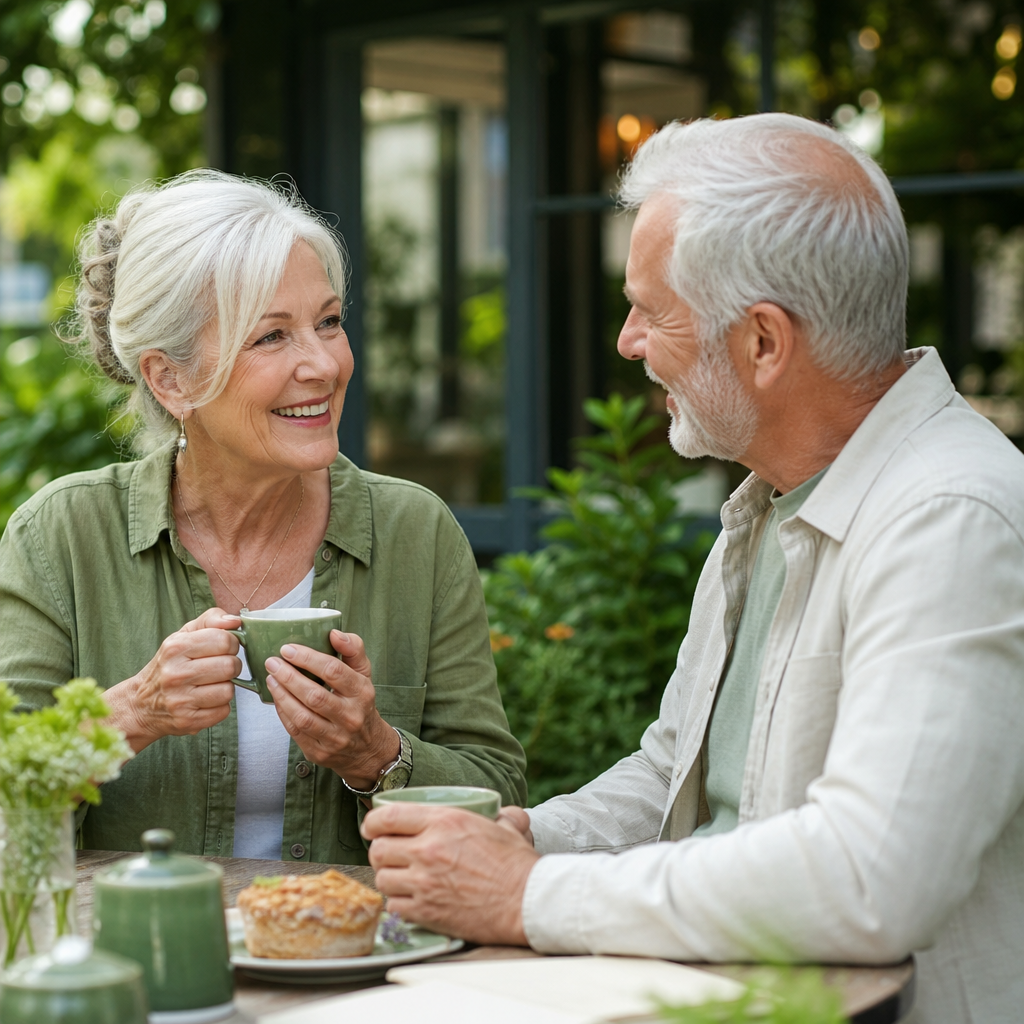
You have agreed to meet for coffee. Then comes the surprisingly tricky question: where? A crowded café may feel rushed, a long dinner can seem too formal, and a country walk is no pleasure if one person is worried about uneven ground. The best first date ideas are rarely the grandest. They are comfortable, public and easy to leave—or extend—depending on how you both feel.
That matters in over 60s dating. You may be returning to dating after decades, carrying nerves you did not expect, or simply unwilling to waste an afternoon pretending to enjoy somewhere noisy. Sensible planning removes much of that pressure. The venue does not need to impress your date; it needs to help you hear one another.
Good first dates offer a shared point of interest, space for conversation and enough flexibility to finish naturally after an hour or continue if you are enjoying yourselves.
Across the UK, there is no shortage of suitable places. The catch is that the same idea can feel very different in practice. A museum on a quiet weekday morning may be ideal; during a busy school holiday, less so. A garden visit sounds gentle, but steep paths and limited seating can turn it into an endurance test.
| Date idea | Why it works | What to check |
|---|---|---|
| Garden or arboretum visit | Flowers, views and seasonal displays give you natural things to discuss. | Path surfaces, benches, weather and admission charges. |
| Museum or gallery | You can move at your own pace and avoid forced conversation. | Opening hours, lifts, seating and whether booking is required. |
| Afternoon tea or café lunch | Warm, familiar and easy to keep short. | Noise levels, table spacing and dietary choices. |
| Countryside or waterside walk | Walking side by side can make conversation feel less intense. | Distance, gradients, toilets and a poor-weather alternative. |
| Bookshop, market or heritage town | Browsing creates easy conversation without a fixed schedule. | Parking, public transport, crowds and places to sit. |
A shared activity helps because silence stops feeling like failure. At a local history museum, you might compare childhood memories. In a garden, you can talk about favourite plants or places you have visited. Even a stroll around a covered market offers small prompts: food, music, holidays, family traditions.
Keep it modest. A short river cruise, theatre performance or full-day excursion may suit a later date, but they leave little room to change plans if the connection is not there. For a first meeting, aim for one clear activity lasting about an hour, with an optional coffee afterwards.
A successful first date is not one that lasts all day. It is one that leaves both people comfortable enough to consider meeting again.
Choose a familiar public place with straightforward transport, accessible facilities, comfortable seating and a noise level that allows ordinary conversation.
Accessibility is not only about wheelchair access. Hearing, eyesight, fatigue, balance and confidence in unfamiliar surroundings all matter. Ask without making assumptions: “Would somewhere with easy parking suit you?” or “Do you prefer a short walk or somewhere we can sit?” Plain questions are kinder than guessing.
Practical tip: Telephone the venue rather than relying entirely on photographs. Ask specific questions—whether the entrance has steps, how far the car park is from the café, and whether a quiet table can be reserved.
Agree the basic arrangements clearly, then keep the date itself flexible and free from unnecessary expectations.
Bad weather need not ruin things, but it helps to have a Plan B. Pair an outdoor idea with a nearby café, visitor centre or gallery. This is particularly useful for countryside dates, where muddy paths and sudden rain can change the mood quickly.
Start with everyday interests and shared experiences, while allowing more personal subjects to emerge naturally rather than treating the meeting like an interview.
Try questions with room in them: “What makes a good weekend for you?” is warmer than running through a checklist of hobbies. Travel, books, local places, cooking, pets, music and family traditions usually offer easy openings. Listen closely. The best follow-up question often comes from one small detail your date has already mentioned.
Some subjects need care. Bereavement, divorce, health and family difficulties may be part of either person’s life, but nobody has to explain their whole history over tea. If you are unsure what kind of connection you want, our guide to companionship or romance can help you put it into words.
And do not panic about pauses. Look around, take a sip, comment on the painting or the view. Three quiet seconds are not a verdict.
Meet in a busy public place, arrange your own transport, tell someone where you are going and keep financial or highly personal information private.
Most people using senior dating services are there for the same honest reason: they would like companionship and genuine connection. Still, sensible boundaries matter. Use the dating site’s messaging service until you feel ready to share other contact details, and never feel embarrassed about slowing things down.
Be cautious: Never send money, share bank details or accept an urgent financial story from someone you have met online. If a person pressures you to move quickly, keep the relationship secret or avoid meeting publicly, step back and report the profile.
Tell a friend or relative the venue, time and expected finish. A quick check-in afterwards is sensible too. Read our detailed advice on staying safe when dating online in later life before arranging a meeting.
Senior dating should move at a pace that feels comfortable, with honest communication and no pressure to decide immediately whether someone is a perfect match.
People exploring mature dating UK services arrive with different experiences. Some have been widowed; others are divorced or have lived alone for years. Some hope for romance, while others would first welcome a companion for lunches, walks and days out. None of these intentions is lesser than another.
Be clear, but allow a little uncertainty. Attraction may grow slowly. Equally, a pleasant conversation does not create an obligation to meet again. If you are taking your first steps, see our guide to dating again after 60 or browse senior singles near you.
Most first-date worries become manageable when the meeting is short, public and planned around both people’s comfort.
About an hour is often enough for a first meeting. Choose somewhere that allows you to stay longer if conversation is flowing, without making either person feel trapped in an all-day arrangement.
There is no fixed rule. Many people prefer to pay for themselves at first, while others are comfortable taking turns. A simple offer—“Shall we split this?”—usually prevents awkwardness. Respect the answer and avoid turning the bill into a test.
Not if you choose a relaxed venue. A hotel afternoon tea can be lengthy and expensive, while a tearoom, garden centre or museum café may feel much easier. Check prices before suggesting it.
Be polite and honest. You can say that you enjoyed meeting but did not feel the connection you were hoping for. Sometimes a friendship develops; sometimes it is better to leave matters there. Both outcomes are normal in senior dating.
This guide was prepared by the Meet Senior Singles editorial team for people seeking safe, enjoyable connections later in life.
Our team writes in plain English about over 60s dating, online safety, companionship and relationships across the UK. We focus on practical guidance, realistic expectations and helping members make their own choices at their own pace.
Join free today — real local members, real conversations.
Join free →